
Linear Motion Potentiometers
Wire-Wound Linear
Position Sensors
A linear potentiometer converts mechanical travel along a straight line into a proportional electrical signal. ETCC builds wire-wound linear units for instrumentation, motion systems, and defence electronics — with resistance graded per inch of stroke, measurable linearity, and configurations matched to your mechanical package.
Product Range
Linear Potentiometer Types
From inch-counted wire-wound tracks (ETC/SL series at 1 kΩ per inch) through sealed industrial slides — your drawing defines the final outline, lead dress, and electrical grading.
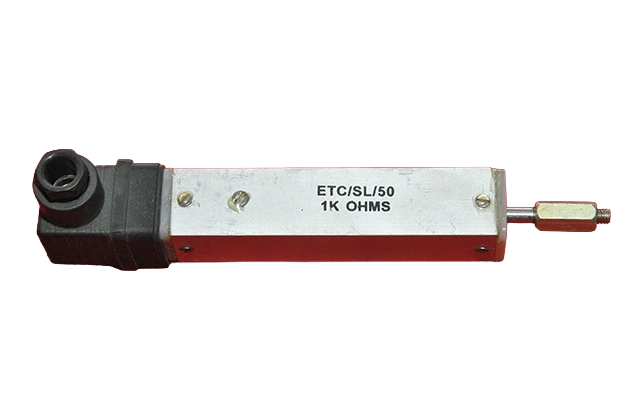
Wire-Wound Linear
Precision helix on a flat substrate for high stability and predictable power distribution along stroke. The core of our ETC/SL range for industrial and defence use.
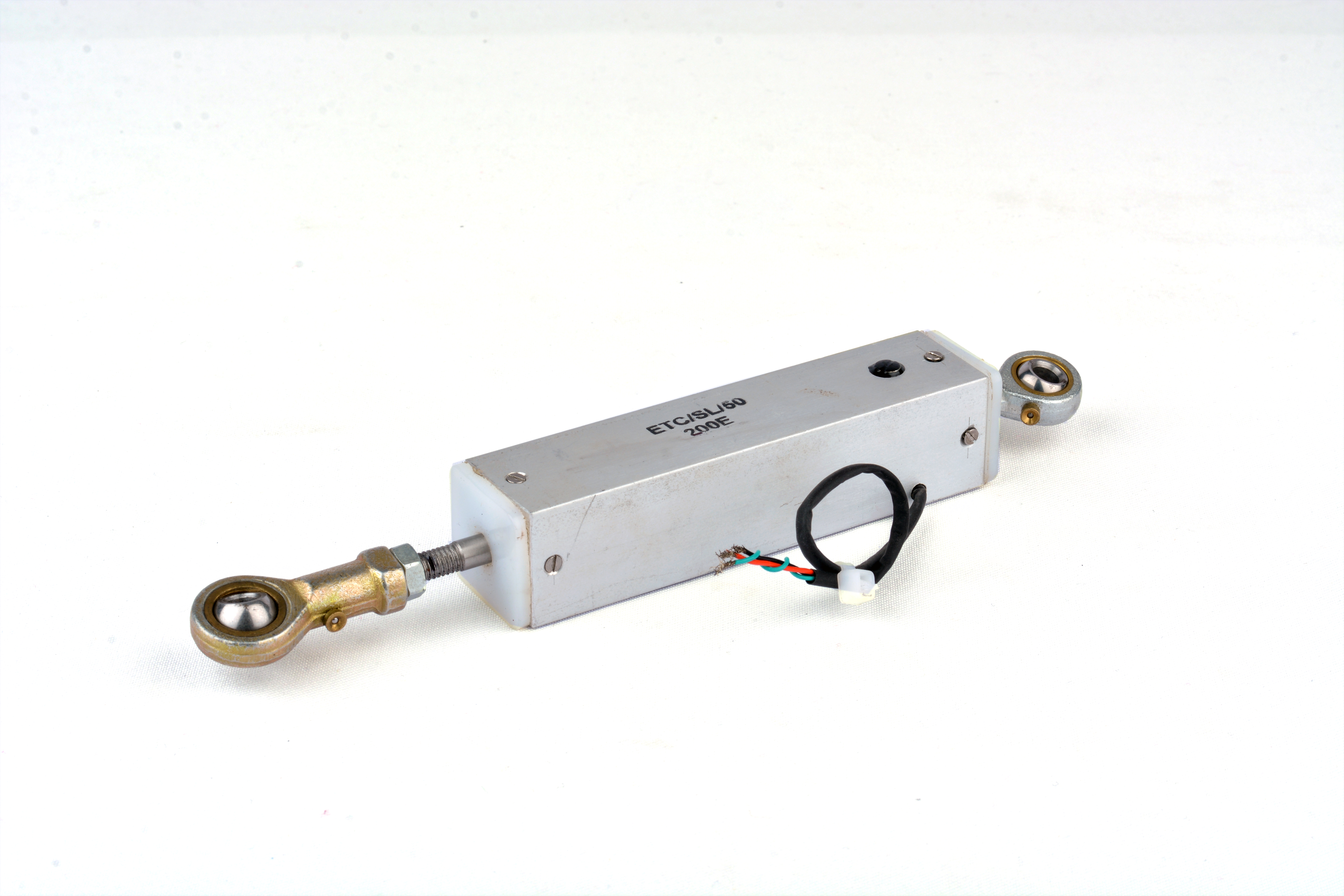
Long-Stroke / Rod-Style
Extended travel for hydraulic cylinder feedback, test stands, and structural displacement — rod-type position sensors with ball-end or plain shaft extensions.
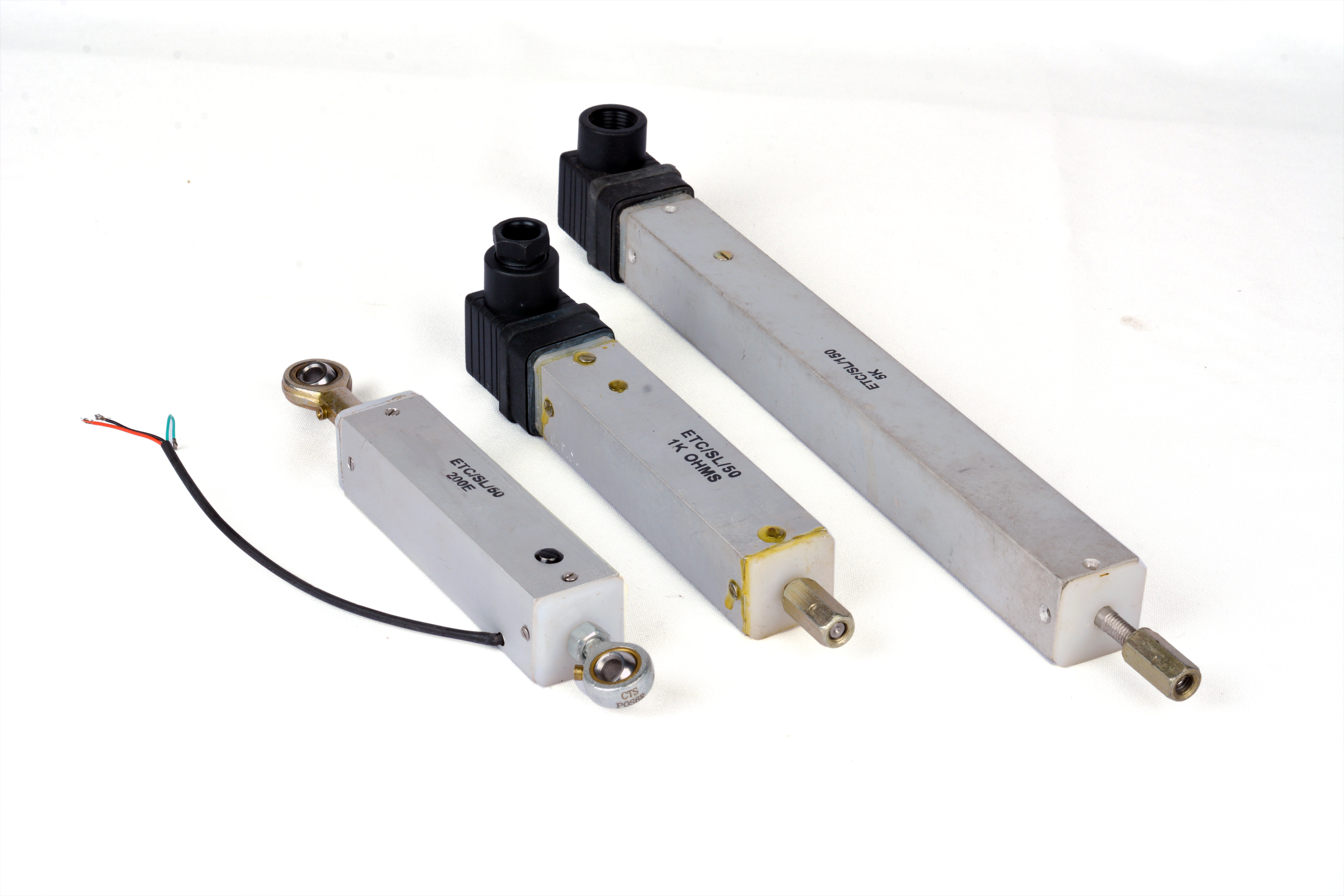
Compact & Miniature
Short stroke and reduced section height for robotics, aerospace line-replaceable assemblies, and dense control panels requiring miniature linear potentiometers.
Specifications
Technical Specifications
Typical specifications for our wire-wound linear track series — identical to the class of data shown on legacy data sheets for ETC/SL linear motion potentiometers. Certify ratings against your ordering document before production.
| Specification | Value |
|---|---|
| Track technology | Wire wound — maximum 18 inch track (series-dependent) |
| Power dissipation at 20 °C | 0.5 W per inch of stroke (reference rating) |
| Independent linearity | 1% |
| Resolution | 0.5 to 0.03 (depending on resistance value) |
| Operating temperature | −50 °C to +85 °C |
| Life expectancy at 10 in/s | 10⁶ inches travel |
| Maximum operational force | 250 g |
| Contact resistance | Less than 20 Ω in accordance with Def 5123 |
| Dielectric strength | 1000 V RMS |
| Applied voltage — maximum | 130 V |
| Temperature coefficient | Less than 120 ppm/°C |
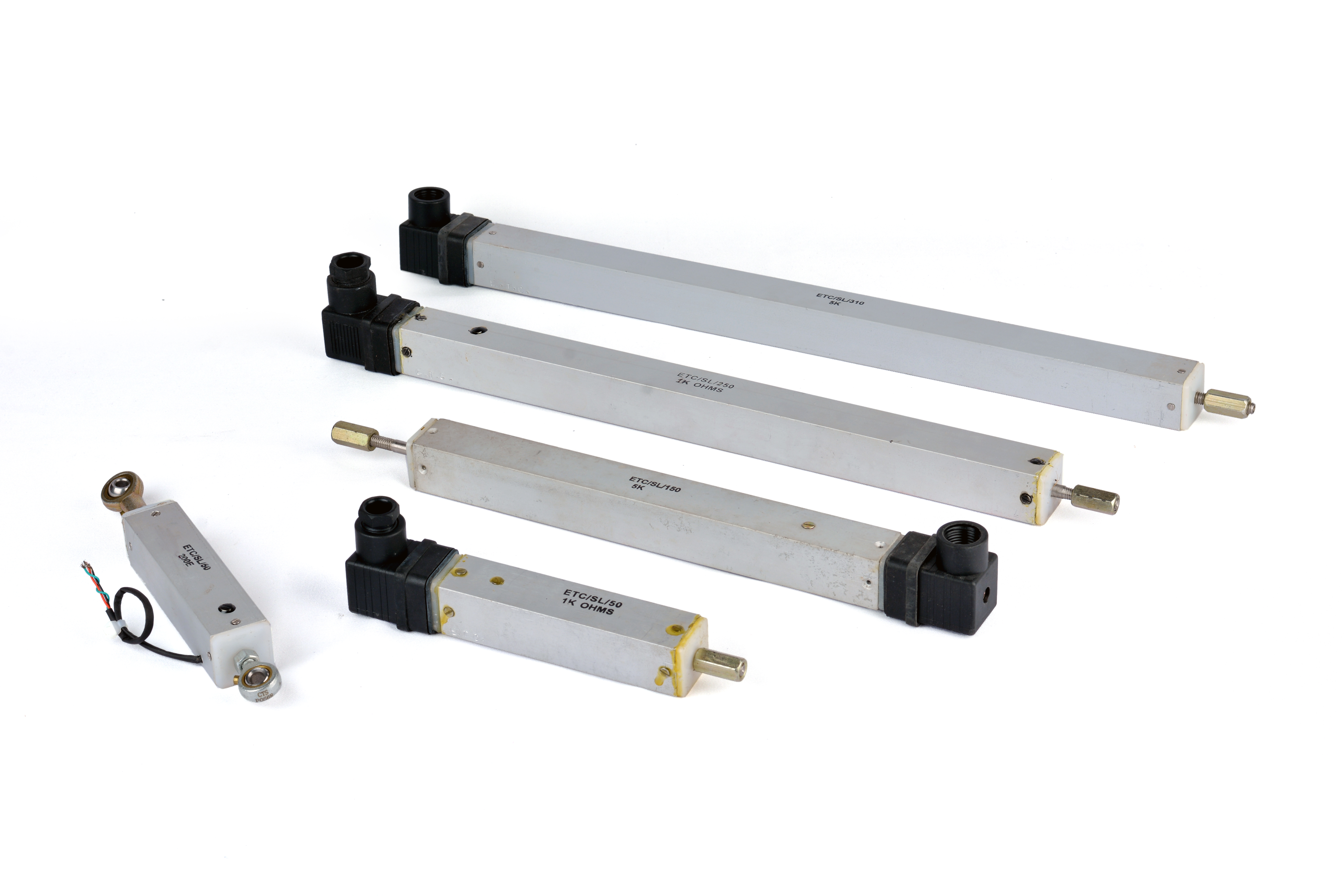
Need a custom linear potentiometer for your application?
We regularly build to customer drawings and duty cycles. Send us your mechanical envelope, stroke, resistance grading, and operating environment — our engineers will review your requirements and respond with a clear, manufacturable approach.
Special executions are available when your programme needs them, including alternate resistance tapers, connector styles, and environmental sealing.
Applications & Industries
Applications of Linear Potentiometers
Design engineers and procurement teams specify ETCC linear potentiometers for analogue position feedback across industrial automation, defence, power generation, and precision instrumentation — wherever a reliable, cost-effective linear displacement sensor is needed.
Industrial Automation & Motion Control
Linear displacement feedback for CNC machine slides, packaging lines, and XYZ gantry stages. Wire-wound linear potentiometers offer a cost-effective analogue position loop alternative to LVDTs in factory automation systems.
Test & Measurement
Precision slide potentiometers in universal testing machines, fatigue rigs, and calibration jigs where stroke must map to a ratiometric output for data acquisition and metrology instrumentation.
Hydraulic & Actuator Feedback
Rod-style linear position sensors for hydraulic cylinder extension, valve positioning, and electromechanical actuator travel measurement in heavy equipment, construction machinery, and marine steering systems.
Defence & Aerospace
Ruggedised linear sensors for flight simulator motion consoles, trainer hardware, and ground support equipment meeting military drawing flow-down, Def Stan 5123, and environmental screening requirements.
Power Generation & Utilities
Tap-changer position indication, motorised linkage travel feedback, and legacy analogue interfaces where wire-wound linear potentiometers connect to protection relays and SCADA front-ends in substations and generating stations.
Medical & Laboratory Equipment
Patient table drives, analytical instrument positioning, and laboratory automation requiring compact linear potentiometers with smooth mechanical feel and repeatable electrical output for diagnostic imaging and sample handling systems.